
Procuring enterprise-grade engineering should not feel like an exercise in financial guesswork. For the average United States business owner, small-market founder, or corporate marketing director, the digital marketplace presents a frustrating paradox. On one side, you face domestic enterprise agencies quoting astronomical fees that inflate your overhead without introducing technical superiority. On the other, cut-rate freelancers offer deceptively cheap packages that yield unstable architectures, security vulnerabilities, and slow rendering speeds.
The core friction stems from structural opacity. Agencies routinely mask their line-item pricing behind ambiguous creative variables and marketing buzzwords. When evaluating external engineering partners, you are not purchasing basic visual layouts; you are investing in a programmatic infrastructure that must scale your operations, process transactions securely, and capture organic search traffic.
This financial manual eliminates the information asymmetry plaguing the digital development sector. By reading this guide, you will understand the structural costs of modern frameworks, learn to audit line-item engineering quotes, and discover how to select an agency based on objective performance benchmarks rather than aesthetic promises.
Determining how to choose a web development agency requires evaluating vendor pricing structures against engineering line items, architectural scalability, and long-term maintenance overhead. High-performance web development procurement scales from baseline customized content systems to complex server-side applications, with total costs dictated by framework selections, integrations, and ongoing optimization protocols.
1. Deconstructing the Real Cost of Web Development: Tiered Benchmarks
To make an objective comparison across agency proposals, you must first understand the structural tiers that govern modern web design and software engineering. Web development costs are directly tied to data architecture, interactive functionality, and security requirements.
| Project Tier | Typical Technology Stack | US Market Price Range | Core Target Audience |
| Custom CMS Platform | Headless WordPress, Advanced Tailwind CSS, PHP | $5,000 – $15,000 | B2B Service Providers, Local Brands, Content Publishers |
| Headless E-Commerce System | Next.js, React, Node.js, Shopify Plus API | $15,000 – $45,000 | Mid-Market Direct-to-Consumer Brands, Wholesalers |
| Custom Web Application | Laravel, Vue.js, PostgreSQL, AWS Cloud Hosting | $40,000 – $100,000+ | SaaS Startups, FinTech, Enterprise Automation |
Custom Content Management Systems (CMS)
For businesses requiring lead generation engines, standard corporate brochures, or publishing hubs, a highly customized WordPress or Webflow deployment is the default benchmark. We systematically reject off-the-shelf commercial marketplace themes, which introduce severe script bloat, third-party plugin dependencies, and structural security holes. A professional CMS build involves writing custom themes from scratch using clean PHP, semantic HTML5, and Tailwind CSS. This ensures your platform operates with minimal technical debt and rapid server response times.
Headless E-Commerce Environments
When your operational requirements involve processing thousands of concurrent shopping carts, handling inventory synchronization, and protecting user payment data, costs scale upward. Modern e-commerce development utilizes a decoupled or “headless” architectural framework. By separating the customer-facing frontend display (built via React or Next.js) from the backend e-commerce database engine (such as Shopify or BigCommerce APIs), we protect your infrastructure from single-point-of-failure issues. According to global retail data compiled by Statista which monitors internet user buying habits, site speed directly controls commercial checkouts, making clean headless decoupled setups the standard choice for scaling retail organizations.
Bespoke Web Applications
This tier represents complex software engineering environments where the website serves as the primary business product. Examples include software-as-a-service (SaaS) platforms, proprietary client portals, or internal inventory systems. Building these environments requires enterprise-grade backend frameworks such as Laravel or Node.js paired with robust relational database management systems like PostgreSQL. Pricing is dictated by user authentication security protocols, custom API connections, real-time data processing, and cloud infrastructure mapping.
2. Line-Item Engineering: What Are You Actually Paying For?
When an agency presents a single lump-sum figure without explicit resource categorization, your risk of encountering post-contract scope creep increases dramatically. A transparent engineering proposal must segment its budget across distinct execution phases.
[Discovery & Wireframing] ──> [UI/UX Design Components] ──> [Core Backend & Frontend Engineering] ──> [QA & Core Web Vitals Audit]
Discovery, Data Architecture, and Wireframing
Before a single line of functional code is written, an agency must map your site’s complete operational logic. This phase consumes roughly 15% of the total project budget. Engineers construct interactive wireframes, plan data entity relationship diagrams, and design clean directory structures. This foundational step prevents expensive structural adjustments during the later coding phases.
Component-Driven UI/UX Design
Graphic styling should never occur directly inside a browser environment. Specialized interface designers must construct pixel-perfect, component-driven layouts utilizing design software like Figma. This process ensures your interface matches your user demographic’s browsing habits while respecting modern interactive paradigms. According to the interactive accessibility criteria detailed by the W3C Web Accessibility Initiative, software layouts must explicitly support screen-reader technologies and fluid keyboard navigation from the initial layout phase.
Frontend and Backend Coding
This is the core execution phase, accounting for 40% to 50% of your capital allocation. Frontend engineers translate the visual layouts into fast, responsive code across all mobile and desktop viewports. Concurrently, backend developers construct server environments, optimize database query routes, and configure secure API connection protocols.
Quality Assurance and Optimization Testing
A website is not complete simply because it renders correctly on a developer’s local screen. Legitimate agencies dedicate 10% of their operational resources to continuous testing across multiple operating systems, device dimensions, and modern browsers. We track layout stability metrics, conduct comprehensive security penetration checks, and verify load handling capacity prior to deployment.
[INTERNAL LINK: View our custom web development services and technological stack capabilities → /web-development-services]
3. The Hidden Cost Drivers: Post-Launch Overhead and Infrastructure
The initial build cost is only one component of your total cost of ownership. When planning your annual technology budget, you must calculate the ongoing server demands and asset management required to maintain operational stability.
Cloud Hosting and Server Architecture
Burying an enterprise web asset on cheap shared hosting environments ruins your search visibility and user retention. Scaling web properties require modern cloud hosting environments such as Amazon Web Services (AWS), Google Cloud, or managed VPS servers like DigitalOcean. These hosting solutions scale dynamically to process sudden traffic spikes, keeping your server response times under critical performance thresholds.
Technical Performance Maintenance and Core Web Vitals Tracking
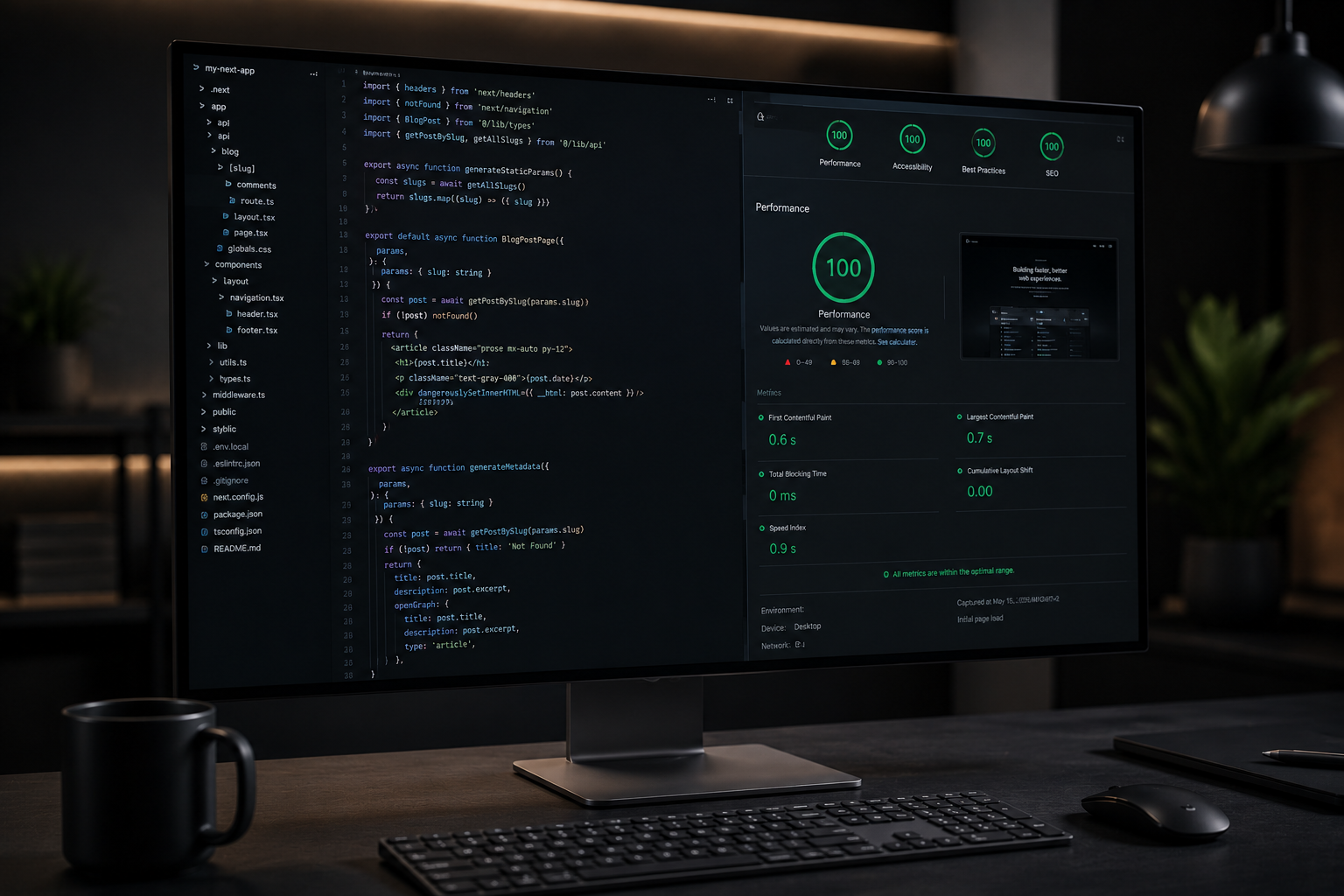
Websites are dynamic entities; search algorithms continuously update how they evaluate site quality. As outlined in the performance indexing documentation published on the Google Search Central Blog, site performance directly influences keyword positioning. Maintaining your organic traffic requires monthly code audits, database optimization sweeps, asset caching adjustments, and regular script updates to keep your Lighthouse speed score above 90.
Security Compliance, SSL, and Data Encryptions
Protecting customer data is a strict regulatory requirement. Your infrastructure must incorporate sophisticated firewalls, automated malware scanners, and encrypted secure sockets layer (SSL) certificates. For organizations handling payment transactions or health records, your engineering partner must build workflows that comply with PCI-DSS or HIPAA standards.
4. Red Flags and Procurement Traps: How to Spot Bad Agency Contracts
The web development industry contains numerous low-quality providers who use predatory contract language to lock business owners into high-fee dependencies. Protecting your organization requires recognizing these operational warnings before signing a contract.
- The Proprietary Content Management System Lock-In: Some boutique providers insist on building your platform using their own private, custom-coded software rather than open, well-supported technologies like customized WordPress setups or clean Laravel applications. This is an immediate red flag. If your relationship with that provider degrades, you cannot easily move your platform to another development team, forcing you to pay for an expensive rebuild from scratch.
- Ambiguous Source Code Ownership Clauses: Ensure your contract explicitly states that upon final payment, your organization retains 100% ownership of the custom code, design files, text copy, database architecture, and hosting server setups. Bad actors often hide intellectual property clauses in their agreements, charging ongoing licensing fees simply to keep your own code live.
- The “Absence of Technical Documentation” Trap: A high-quality agency writes explicit code annotations and provides clear documentation detailing your platform’s server structure, custom functions, and database relationship models. If a provider refuses to supply this documentation, they are attempting to make your business dependent on their specific team for even basic updates.
5. The Empirical Vetting Process: Questions to Ask an Engineering Team
Do not let an agency representative steer your discovery call toward generic creative pitches or superficial case studies. You must control the evaluation process by asking precise, technical questions that reveal their operational workflow and development standards.
Vetting Framework Selections and Architectural Decisions
Ask the team to explain the exact engineering logic behind their proposed technology choices. A high-quality provider will not recommend a platform simply because it is popular; they will justify their selection using specific requirements like search crawler indexation needs, intended data scale, and long-term hosting budgets.
For projects requiring deep search engine accessibility, your engineering partner should demonstrate an understanding of modern semantic formatting as detailed in the official MDN Web Docs reference libraries. They should be able to explain how their code structure supports semantic nesting, crawl efficiency, and schema markup integration to ensure your content is easily parsed by both standard search engines and modern AI crawlers.
Verifying Quality Assurance Practices and Performance Goals
Inquire about the team’s testing procedures for mobile responsiveness, browser compatibility, and Core Web Vitals optimization. A skilled development team will establish clear, measurable speed targets from the start, agreeing to deliver your platform within specified performance metrics.
6. The Final Blueprint: Partner with BetaTech
Procuring high-performance digital infrastructure does not require you to accept over-inflated domestic pricing or unverified freelance execution. At BetaTech, we have eliminated the standard industry gap between technical software development, visual design, and data-driven optimization. We build performant, highly secure web applications using clean code, transparent line-item pricing, and measurable performance standards.
Our cross-functional family of 8 digital specialists—led by our Founder Adnan Shawkat, Operations Manager Miraj Ahmed, and Senior WordPress Developer Sharmin Salma Tisha—brings between 5 and 13 years of hyper-focused engineering and technical optimization experience to every project. By utilizing a synchronized operational footprint across Bangladesh and the United States, we offer a continuous 24/7 development cycle. While your domestic market closes for the night, our team is actively writing clean backend structures, refining mobile layouts, configuring database schemas, and optimizing your platform for modern search engines. We deliver enterprise-grade performance and clear operational clarity without traditional agency overhead.
Stop overpaying for bloated, slow platforms that fail to generate organic traffic. Let’s construct a fast, secure, and conversion-optimized digital system designed to scale your business.
Schedule a Strategy Session with Our Team Today to Engineer a High-Ranking Digital Platform
FAQ
What is the typical timeframe required to launch a custom web development project?
For standard customized CMS lead generation sites, production requires 6 to 10 weeks of development time. Complex headless e-commerce architectures and custom web applications scale from 12 to 24 weeks depending on feature lists, integrations, and testing rounds.
Why do web development estimates vary so significantly between different agencies?
Estimates vary because different providers use vastly different development methods. Cheap providers often modify bloated pre-made templates that contain unnecessary code and slow down your site. High-quality agencies write clean code tailored to your specific business requirements, which demands more specialized engineering hours but results in a faster, more secure platform.
Will our business be able to easily update text content and imagery after the platform launches?
Yes, provided your engineering team builds using a highly intuitive block-editor structure or a modern headless content interface. Our team builds customized fields that allow non-technical administrators to easily modify text, update media elements, and publish new blog posts without touching the master source code.
How does your team ensure our new website ranks well in search engines from day one?
We build search engine accessibility directly into the master code structure of your site. This means setting up clean URL paths, constructing semantic HTML data tables, implementing structured schema markup, and optimizing assets for sub-three-second loading times to satisfy Google’s strict indexation criteria.